“The illiterate of the 21st century,” futurist Alvin Toffler once wrote, “will not be those who cannot read and write, but those who cannot learn, unlearn, and relearn.”
In a world where development challenges are layered and complex, sustainability is not just about planting trees or reducing plastic, but rather it is about systems that uplift, empower, and adapt. At the heart of sustainable development is social impact, and at the heart of social impact is a shift in mindset.
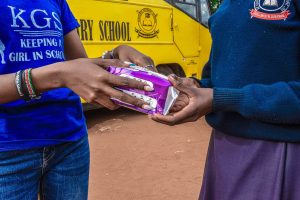
At Superior Homes Foundation, this idea comes alive in our work, promoting menstrual health to ensure continuity of education for girls, a subject long hidden in silence, shame, and misinformation, especially across many rural communities in Kenya.
In the past, conversations around menstruation were surrounded by stigma and shame. Girls were taught not to speak about their periods. Myths like not touching livestock, cooking food, or attending class while menstruating were passed down without question based on the belief that menstruation was unclean or impure.
Menstruation was seen as a burden as opposed to a natural biological process. Many girls missed school simply because they didn’t have access to sanitary pads or because they feared being teased or embarrassed in class. Some resorted to using cloth, mattress pieces, among other harmful methods that are unsafe, unsustainable, and rooted in desperation. This is what we’ve had to unlearn as a society.
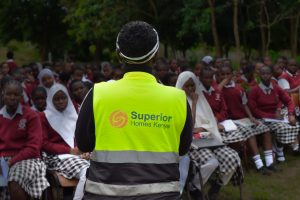
At the Foundation, we’ve committed to relearning what menstrual health support should look like; For us, it’s not just handing out pads but also pairing donations with education, it’s not just doing one-time visits, it’s building relationships with schools and following up month after month, it’s not just speaking to girls, it’s also engaging boys, teachers, to shift the culture around menstrual dignity.
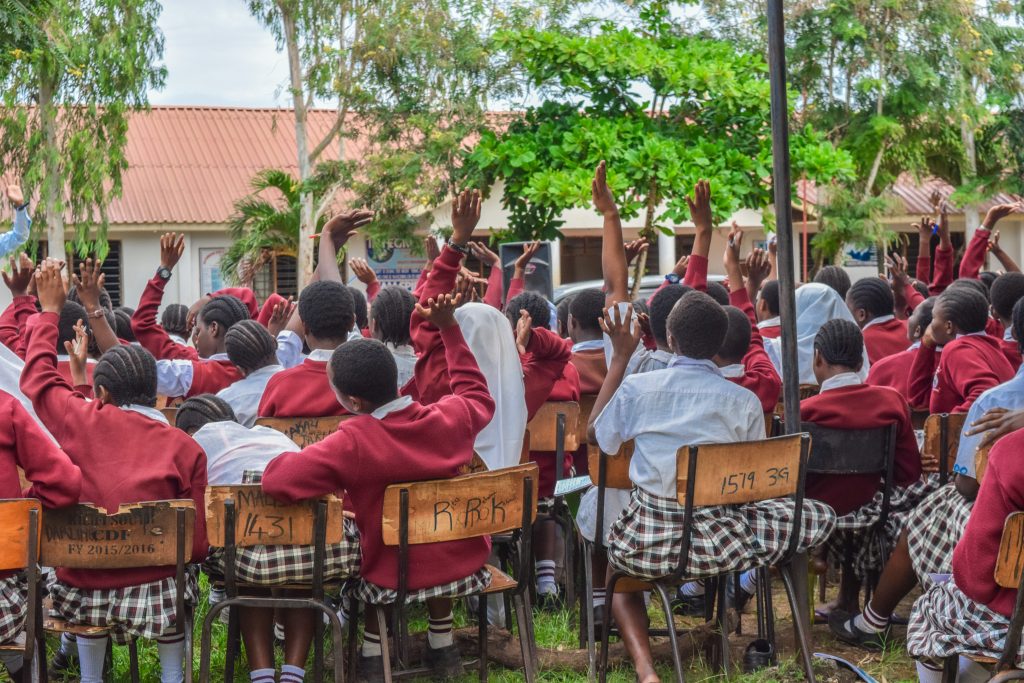
At Superior Homes Foundation, shifting mindsets means moving beyond one-time donations to fostering long-term dignity and empowerment. We normalize periods as healthy, not shameful; include boys in conversations to reduce stigma; empower schools to become active partners in identifying needs; and create safe spaces where girls can ask questions and learn without fear.
One of our greatest lessons has been that communities are not just beneficiaries; they are partners. Listening to schools has helped us refine our approach and reminded us that real change is not always about scale, but about consistency, trust, and long-term relationships.
We continue to learn because we understand that sustainability is not a destination; it is a continuous journey of listening, adapting, and evolving. To build a truly sustainable future, we must do more than help. We must honour people’s dignity, unlearn the systems that have failed them, and relearn what meaningful, lasting impact truly looks like; together.