Investing in girls’ education is one of the most powerful ways to transform communities, economies, and societies at large. Girls who receive an education are less likely to marry early and more likely to lead healthy, productive lives. Yet, despite education being a fundamental human right, many girls continue to face barriers that prevent them from accessing and completing their education.
In Kenya, school dropout among girls remains a concern, driven by a combination of social, economic, and cultural factors. Poverty is one of the leading causes. In many low-income households, families are often forced to make difficult decisions, and boys’ education is frequently prioritized based on the perception that they are more likely to secure employment in the future. Education comes with both direct and hidden costs, from school fees and materials to the work girls are often expected to do at home. In cases where families experience financial strain or the loss of a parent, girls are often the first to leave school to take on additional responsibilities.
Cultural norms and gender roles further reinforce this challenge. In many communities, girls are expected to take on caregiving duties and household responsibilities, limiting their ability to engage in their education fully. The belief that girls will eventually marry and leave the household often reduces the perceived value of investing in their education compared to boys.
Early marriages and teenage pregnancies also contribute significantly to school dropout rates. In some cases, girls are married off due to economic pressures or long-standing cultural practices. In others, a lack of guidance, support, and access to information leads to early pregnancies that disrupt or end their education journey altogether.
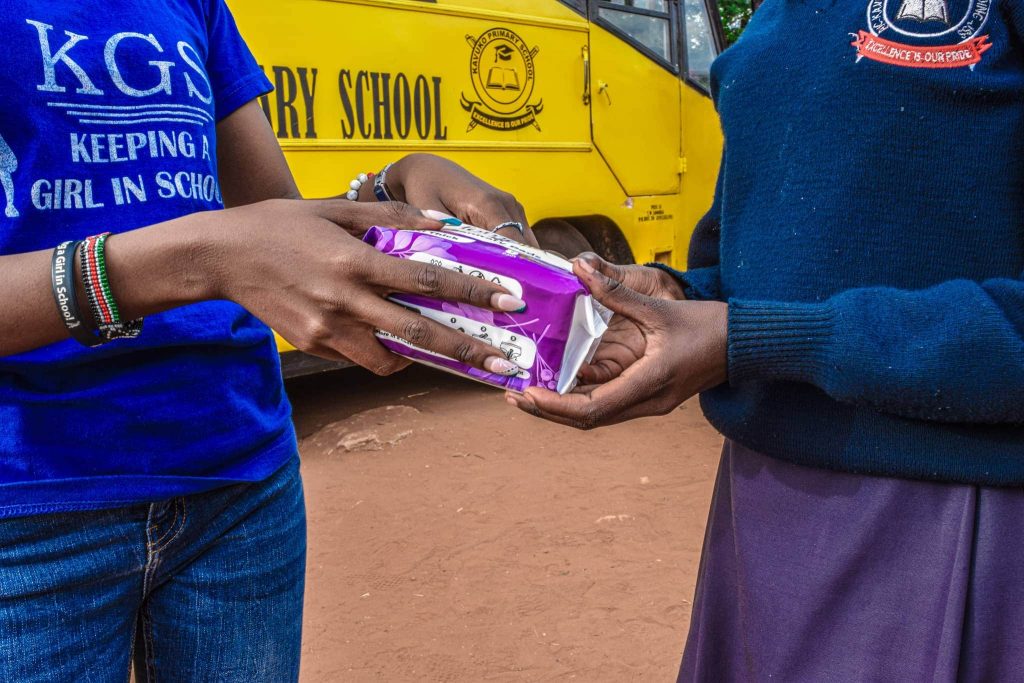
Another critical but often overlooked factor is menstrual health. Girls who lack access to sanitary products, proper underwear, and adequate sanitation facilities are more likely to miss school or drop out entirely. Beyond access, stigma and silence around menstruation make it even more difficult for girls to manage this natural process with dignity.
Addressing these challenges requires a collective effort. Governments play a key role in ensuring access to quality education, creating safe and supportive school environments, and implementing policies that protect girls from harmful practices such as child marriage. Equally important is the role of parents and communities in encouraging girls to stay in school, guiding them through adolescence, and supporting their educational journey.
Providing basic needs is essential, but it is not enough on its own. Mentorship plays a transformative role in shaping how girls see themselves and their futures. Through mentorship, girls are given a safe space to ask questions, receive guidance, and build confidence. Exposure to positive role models helps them make informed decisions, challenge limiting beliefs, and remain motivated to stay in school.
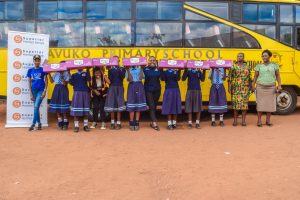
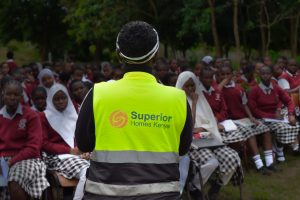
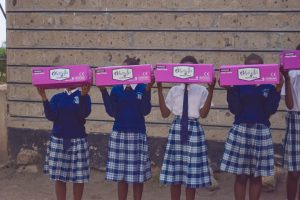
Keeping girls in school is ultimately a shared responsibility, and this is where the role of community-driven initiatives becomes critical. At the Superior Homes Foundation, we contribute to this effort through practical, targeted interventions that directly address the barriers girls face. Through the monthly distribution of menstrual hygiene products, we ensure that girls can attend school consistently and with dignity. Our mentorship programmes create opportunities for meaningful engagement, where volunteers and staff guide, inspire, and empower students. Through ongoing school engagements, we continue to create supportive environments that encourage learning, confidence, and growth.
Currently, the Foundation supports over 22,000 girls across multiple counties, working to ensure they remain in school and are equipped to thrive throughout and beyond their educational journey.
Keeping girls in school requires more than access to classrooms; it requires consistent support, intentional investment, and collective action. When we invest in girls, we are not only changing individual lives, we are shaping stronger, more inclusive communities for the future.