In today’s world, volunteerism remains one of the most powerful drivers of social impact. Across communities, organisations, and global institutions, individuals continue to dedicate their time, skills, and energy toward causes that create meaningful change.
Recognising this, the United Nations has marked the period from December 5, 2025, to December 5, 2026, as the International Year of Volunteers, culminating in the celebration of International Volunteer Day. This global recognition underscores the critical role that volunteers play in advancing development efforts, fostering resilience, and driving collective progress worldwide.
Volunteerism, also referred to as volunteering or voluntary activity, is broadly understood as a wide range of activities undertaken freely, for the public good, without monetary reward as the primary motivation. Across the globe, volunteers contribute to addressing some of the most pressing challenges of our time, including poverty, access to education, health and sanitation, environmental conservation, and social inequality.
At its core, volunteering is a selfless act, yet the motivations behind it are both diverse and deeply personal.
For many, volunteering is driven by a genuine desire to give back to the community and contribute to solutions that improve lives. Others are inspired by causes they are passionate about, whether in education, health, or environmental sustainability. In an increasingly fast-paced world, many individuals also seek a sense of purpose and meaning; something that volunteering uniquely provides.
Career growth and personal development are also key motivators. Volunteerism offers individuals an opportunity to build skills, gain exposure, and develop confidence in real-world settings. In fields such as social impact and development, volunteer experience is often a valuable asset, opening doors to future opportunities while strengthening one’s professional journey.
Beyond skills and experience, volunteering creates connections. It brings together people from diverse backgrounds, fostering collaboration, empathy, and shared understanding. Through these interactions, volunteers not only contribute to communities but also grow personally, gaining new perspectives and a deeper appreciation of the challenges faced by others.
While volunteers may not seek financial reward, their contributions hold immense economic value. The countless hours dedicated to voluntary work, if monetised, would represent a significant contribution to national and global economies. More importantly, volunteerism extends the reach and impact of organisations, enabling programmes that might otherwise not be possible.
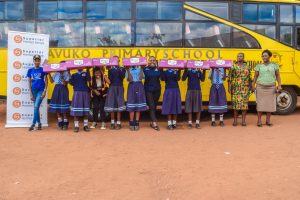
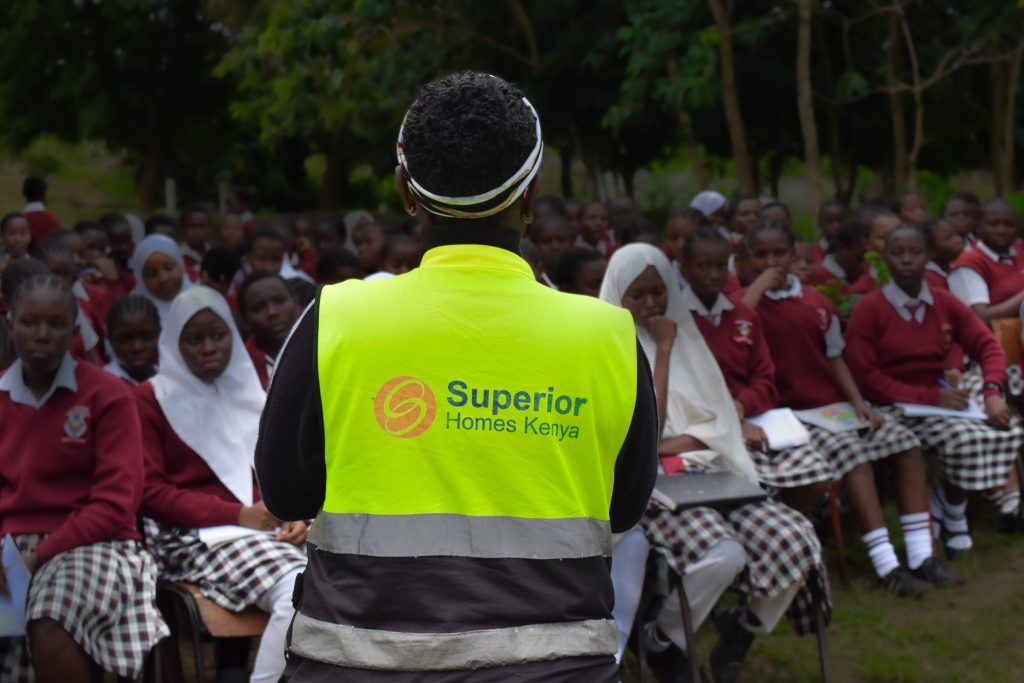
At the Superior Homes Foundation, volunteerism plays a central role in driving our mission of keeping girls in school. This is particularly evident in our mentorship programmes, where staff members dedicate their time to guide, inspire, and empower young girls. While mentorship is encouraged across the organisation, it is the willingness of individuals to go beyond their professional roles that truly brings this work to life. With over 22,000 girls supported every month, the need for consistent guidance, encouragement, and positive role models remains significant. Mentorship, therefore, becomes more than just an activity; it is a critical pillar in ensuring that these girls not only stay in school but also develop the confidence, resilience, and life skills needed to navigate their futures.
Through volunteer-led mentorship sessions, students are exposed to real-life experiences, practical advice, and relatable role models who inspire them to dream bigger and make informed choices. These interactions often go beyond the classroom, addressing personal challenges, building self-esteem, and reinforcing the importance of education.
Volunteerism, in this context, directly amplifies the Foundation’s impact. It allows us to extend our reach, deepen our engagement, and provide more personalised support to the girls we serve. Each volunteer brings unique perspectives and experiences, enriching the programme and making every mentorship session meaningful and impactful.
Ultimately, volunteerism is a powerful reminder that meaningful change is a collective effort. It is not only about giving time, but it is also about contributing to a shared vision of a better, more inclusive future.
“Alone we can do so little; together we can do so much.” — Helen Keller