What would a period-friendly world look like? It would be one where every girl has access to free sanitary pads, where accurate and age-appropriate period education is available at school and home, and where open conversations about menstruation happen freely, among girls and boys, women and men. It’s a world where myths and taboos no longer shape how we think about menstruation, where no girl ever misses school because of her period, and where every school has proper washrooms, access to clean water, and adults who understand and support menstrual health needs.
This year, the Menstrual Hygiene Day movement made the bold and important decision to move away from annual themes and instead adopt one long-term mission: Together for a #PeriodFriendlyWorld. This powerful, unifying message underscores our collective belief that change is possible within our lifetime, but only if we work together. The mission calls on all of us, communities, institutions, policymakers, and individuals, to contribute in our way, no matter how small, toward building a world where menstruation is safe, understood, and dignified.
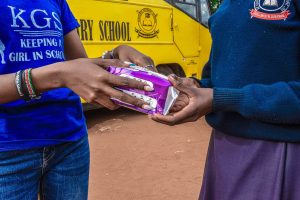
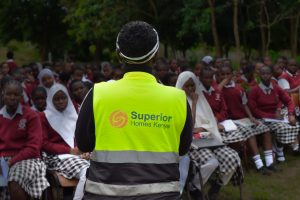
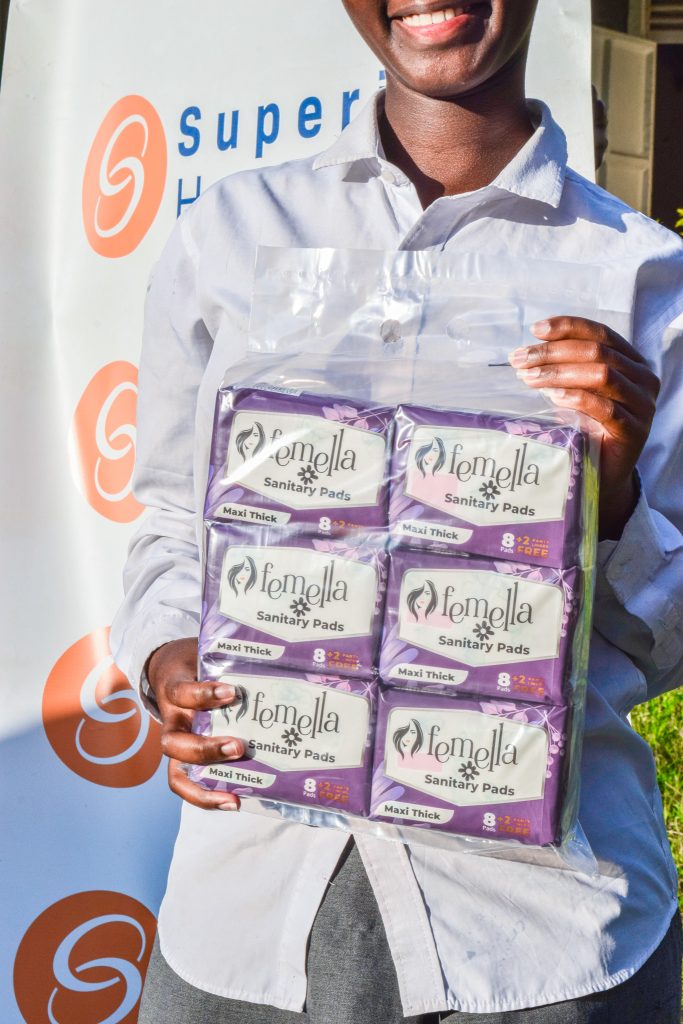
At Superior Homes Foundation, we are proud to be part of this conversation and movement. We do this by providing free sanitary pads to school-going girls in under-resourced areas, partnering with like-minded organizations to deliver menstrual health education, and creating safe spaces where conversations about periods are open, honest, and free of shame. We involve boys in our programs to break stigma early and normalize the idea that menstruation is not just a girls issue, it’s a community issue. We continue to share stories of our progress because we believe visibility helps shift perceptions and inspires action.
As we celebrate Menstrual Hygiene Month, we also recognize that May is Mental Health Awareness Month, and the connection between the two cannot be overlooked. Period poverty isn’t just about lacking products; it’s also about how that lack affects mental well-being. Girls and women who experience period poverty often suffer in silence. They may feel ashamed, anxious, and isolated. The inability to manage menstruation with dignity can lead to depression, withdrawal from school or work, and long-term emotional harm. Period stigma, the idea that menstruation is dirty or shameful, creates psychological stress, especially for young girls navigating adolescence.
We’ve seen firsthand how this burden plays out. When a girl misses school because she lacks pads, or when she fears being laughed at for a stain, her confidence takes a hit. She becomes self-conscious, avoids activities, and slowly begins to associate her period with fear and embarrassment. That kind of internalized shame chips away at her mental health. In communities without support systems, the emotional impact of period poverty is magnified. According to the World Bank, over 500 million women and girls globally lack access to adequate facilities for menstrual hygiene. Many are forced to improvise with unsafe materials, risking not only their physical health but also their sense of dignity and self-worth.
That’s why our mission goes beyond hygiene products, it’s about healing and prevention. When we provide pads, we also offer reassurance. When we create mentorship spaces, we create belonging. And when we include boys, teachers, in the conversation, we create sustainable change. A period-friendly world is also a mentally healthy world, one where girls are not silenced by shame but uplifted through support and education.
As Superior Homes Foundation, we remain committed to walking with every girl, school, and community. We will continue to learn, listen, and show up, because together, we can build a world where menstruation is no longer a barrier but a bridge to strength, confidence, and opportunity. A world where girls stay in school, thrive emotionally, and grow up knowing that their periods are not a secret to hide, but a part of life to be respected.