Over the years, truck stops have evolved far beyond their humble beginnings as simple fueling stations. Today, they serve as vital hubs for rest, relaxation, and essential services, playing a crucial role in supporting the trucking industry and the broader economy. These multifunctional spaces are key to maintaining the flow of goods across the country while contributing significantly to local economies through job creation and the provision of various amenities.
The Evolution of Truck Stops
The journey of truck stops began in the 1920s and 1930s when they primarily served as fueling stations. By the 1980s and 1990s, these stops had expanded their offerings to include diverse food options, entertainment facilities, and retail outlets. Today, modern truck stops have transformed into comprehensive service hubs, addressing the varied needs of drivers, travelers and logistics operators. This evolution reflects the growing recognition of the critical role truckers play in the economy, as well as the increasing demand for facilities that enhance their travel experience.
Supastop: Kenya’s First Modern Truck Stop
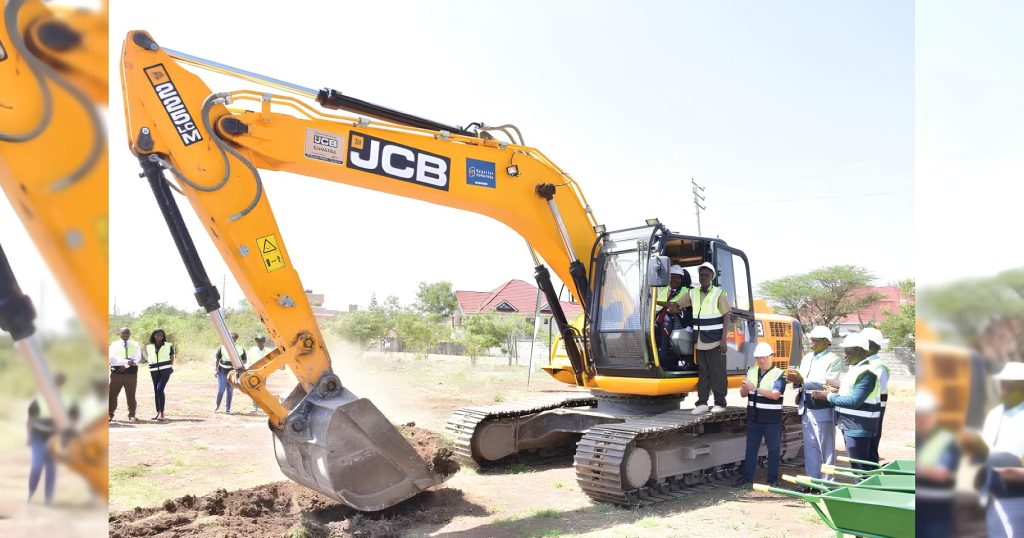
In line with this global trend, Kenya recently witnessed a significant milestone in its trucking industry with the opening of Supastop by Superior Homes. Positioned as Kenya’s first fully-fledged truck stop, Supastop sets a new standard by offering a wide array of services tailored to meet the needs of truckers and travelers. Located strategically 5Kms from Sultan Hamud town centre, a major stopping point for long-distance trucks, Supastop caters to the estimated 300 vehicles that park along the roadside nightly. This location was carefully chosen to address the critical need for secure and well-equipped resting facilities for long-haul drivers.
Key Amenities at Supastop
Supastop offers an impressive range of services designed to enhance the trucking and travel experience:
A) Fuel Services: Diesel, gasoline, and alternative fuels for various vehicle types.
B) Food and Dining: Options range from fast food outlets to sit-down restaurants and snack shops.
C) Rest Facilities: Showers, laundry services, and comfortable lounges provide much-needed relaxation for drivers.
D) Retail Shops: Convenience stores stocked with travel essentials, truck supplies, and other items.
E) Wellness Center: Professional medical assistance to ensure drivers and travelers stay healthy on the road.
Supastop is not just a facility but a critical part of Kenya’s transportation infrastructure, promoting road safety and offering a secure resting point for long-distance drivers.
The Future of Truck Stops in Kenya
As Kenya continues to expand its transportation infrastructure, truck stops are poised to evolve further, adapting to industry demands and driver expectations. With increased competition and market demand, operators must consistently innovate to attract and retain drivers.
Future trends in truck stops include:
A) Technological Integration: Automation for fueling, self-service options, and enhanced security systems.
B) Sustainability: Eco-friendly practices such as solar energy, waste management systems, and electric vehicle charging stations.
C) Enhanced Amenities: Unique offerings like fitness centers, entertainment areas, and coworking spaces to cater to modern travelers. Existing truck stops are also likely to expand and upgrade their facilities, compelling new entrants to invest heavily in advanced technology and superior services to remain competitive.
With innovation and sustainability at the forefront, the future of truck stops looks promising. As they continue to adapt to modern demands, truck stops will remain vital to Kenya’s highways, ensuring the efficient flow of goods and enhancing the travel experience for all who depend on them.