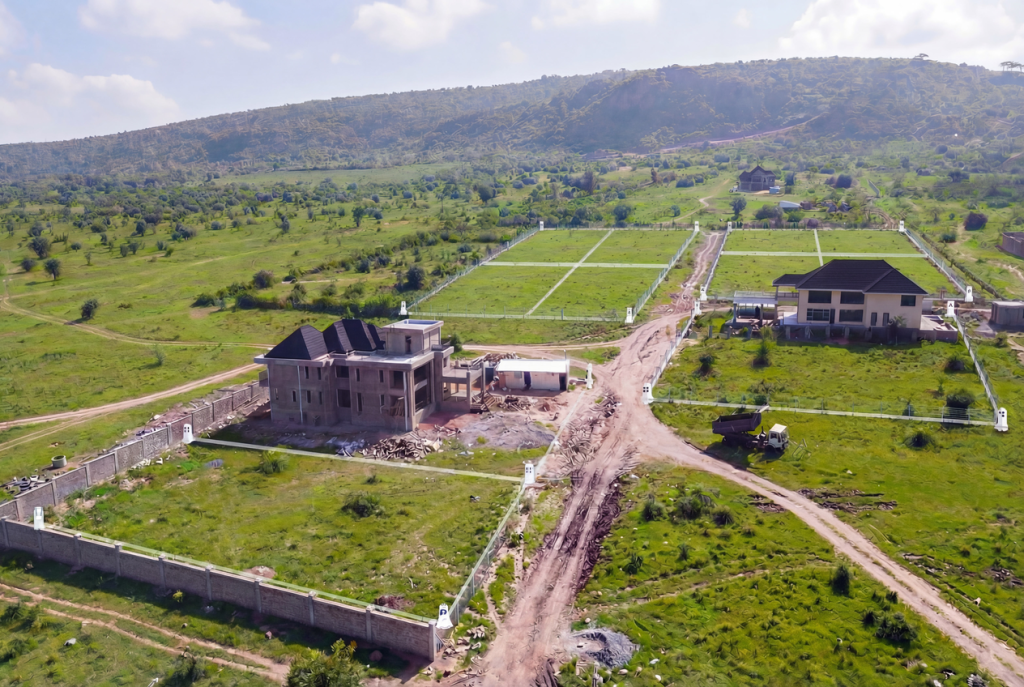
Kenya’s real estate market—especially in urban centers like Nairobi, Mombasa, and Kisumu—has increasingly been labelled as overpriced. Many observers argue that prices are artificially inflated, making homeownership feel out of reach for the average Kenyan. But is the market truly overvalued, or are deeper dynamics at play?
At the core of pricing is the principle of supply and demand. Kenya’s urban population is growing rapidly—Nairobi is projected to exceed 6 million residents by 2030. While housing demand has risen sharply, the supply hasn’t matched the demographic need. Most new developments target middle-and upper-income earners due to higher profit margins, leaving a shortfall in affordable housing. This mismatch has led to stagnation in the high-end market and soaring demand in the lower-income bracket, distorting overall pricing.
Speculation has further skewed the market. In many peri-urban areas like Kitengela, Ongata Rongai, and Kamulu, land prices have surged, often driven more by anticipation of future value than actual utility or development. Many buyers hold onto land hoping for appreciation, locking up tracts that could otherwise ease housing pressure. Developers, caught in this cycle, often overprice units based on expected future demand rather than real-time affordability, compounding the perception of overvaluation.
The cost of construction in Kenya also plays a significant role. Heavy reliance on imported materials, erratic supply chains, high labor costs, and regulatory bottlenecks inflate project costs. A typical project in Nairobi may require over 10 approvals and take up to six months to greenlight. Currency fluctuations, particularly involving the USD, further strain developer budgets. These costs are often passed on to buyers, disconnecting asking prices from actual market value.
The mortgage market remains a weak link. As of 2024, Kenya had just over 26,700 active mortgage accounts—minuscule for a population of over 50 million. With interest rates averaging 12% and deposit requirements exceeding 20%, most Kenyans are effectively locked out of mortgage financing. This leaves a market dominated by cash buyers, diaspora investors, and speculative flippers, pushing prices based on liquidity needs and expectations rather than affordability or real demand.
Additionally, diaspora and foreign demand have introduced an external pricing influence. Many properties in Nairobi and coastal towns are marketed to international buyers and priced in USD. While these inflows bring valuable capital, they also inflate local prices beyond what many Kenyans can afford. Developers targeting this segment often overlook the broader market’s affordability needs, leading to a glut of high-end inventory.
One of the most structural issues is the lack of a transparent, centralized valuation system. Inconsistent pricing mechanisms and absence of real-time data make it difficult for buyers to assess true market value. Agents and developers often set prices based on sentiment or comparative listings rather than regulated benchmarks. This lack of transparency creates confusion, undermines trust, and allows speculative pricing to thrive.
So, are Kenya’s property prices artificially inflated? The answer isn’t black and white. While high-end segments exhibit signs of speculative inflation, the broader pricing trends reflect a complicated mix of genuine demand, supply misalignment, regulatory inefficiencies, and limited financing options. Solving this challenge will require multi-pronged intervention. The government must streamline approvals, incentivize affordable housing, and expand access to mortgages. Developers need to focus on creating products aligned with actual demand, not just speculative value. Better data, transparency, and regulated valuation standards will empower buyers and stabilize the market.
Ultimately, real estate prices should reflect economic fundamentals—not just future hopes or investor sentiment. Until then, the perception—and reality—of inflated prices will continue to shape Kenya’s housing narrative.